SYDNEY, Australia — For a millennium, the ancestors of today's Barkindji people not only mourned a single dingo but also preserved its final resting place across generations, according to a study released this week. The discovery challenges long-held assumptions about the relationship between early Australians and the wild canines.
The burial, unearthed in Kinchega National Park along the Baaka River, reveals that the dingo was entombed with the same reverence as a beloved human community member. Archaeologists found the remains surrounded by river mussel shells, arranged in a deliberate mound.
'The care over centuries is extraordinary,' said Amy Way, an archaeologist at the Australian Museum and University of Sydney and a co-author of the study. 'This wasn't a casual discard — it was a sustained act of love and respect.'
Barkindji Elder Uncle Badger Bates and National Parks and Wildlife Service archaeologist Dan Witter initially spotted the bones eroding from a road cut five years ago. Bates immediately recognized the skeleton as a dingo (known as garli in the Barkindji language) lying on its left side within the ancient shell cairn.
The find pushes back the timeline of known human-dingo bonds in Australia and underscores the cultural significance of these animals to Indigenous communities. Learn more about the history of dingo burials.
Background: The Long-Hidden Garli Grave
The site dates to approximately 1,000 years ago, during a period when dingoes were already widespread across Australia. However, evidence of formal burials, especially with continued grave maintenance, is rare.
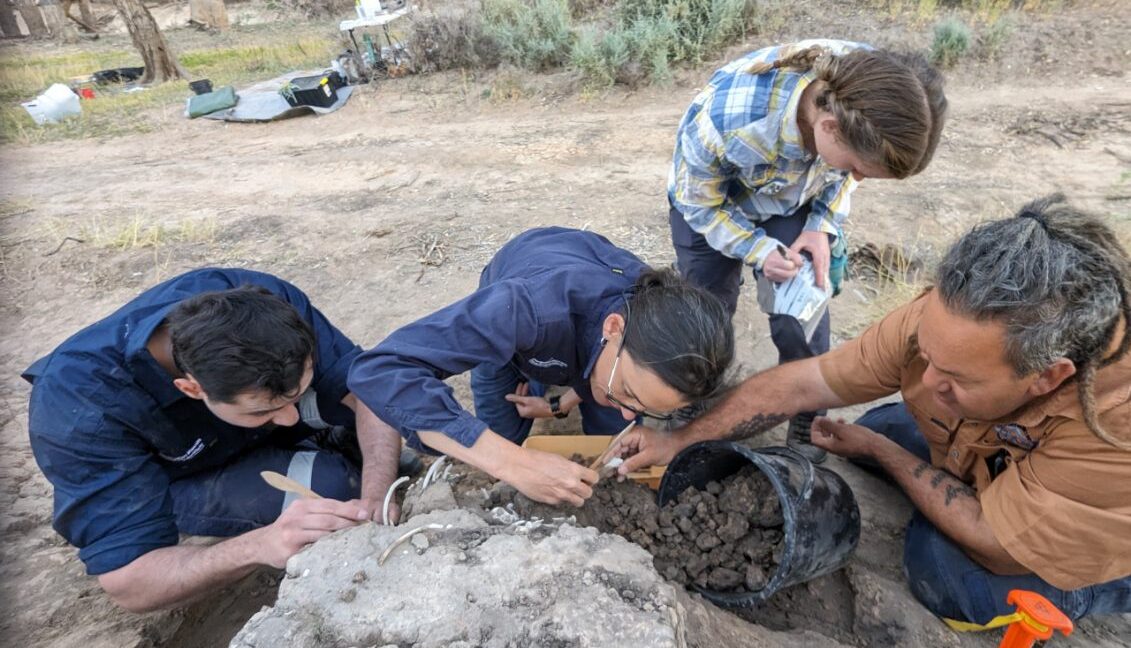
Radiocarbon dating of the shells confirmed the antiquity of the grave, while soil analysis showed no signs of later disturbance — meaning the mound was deliberately maintained for generations. The Barkindji people have oral histories linking to dingoes as protectors and companions, which this physical evidence now corroborates.
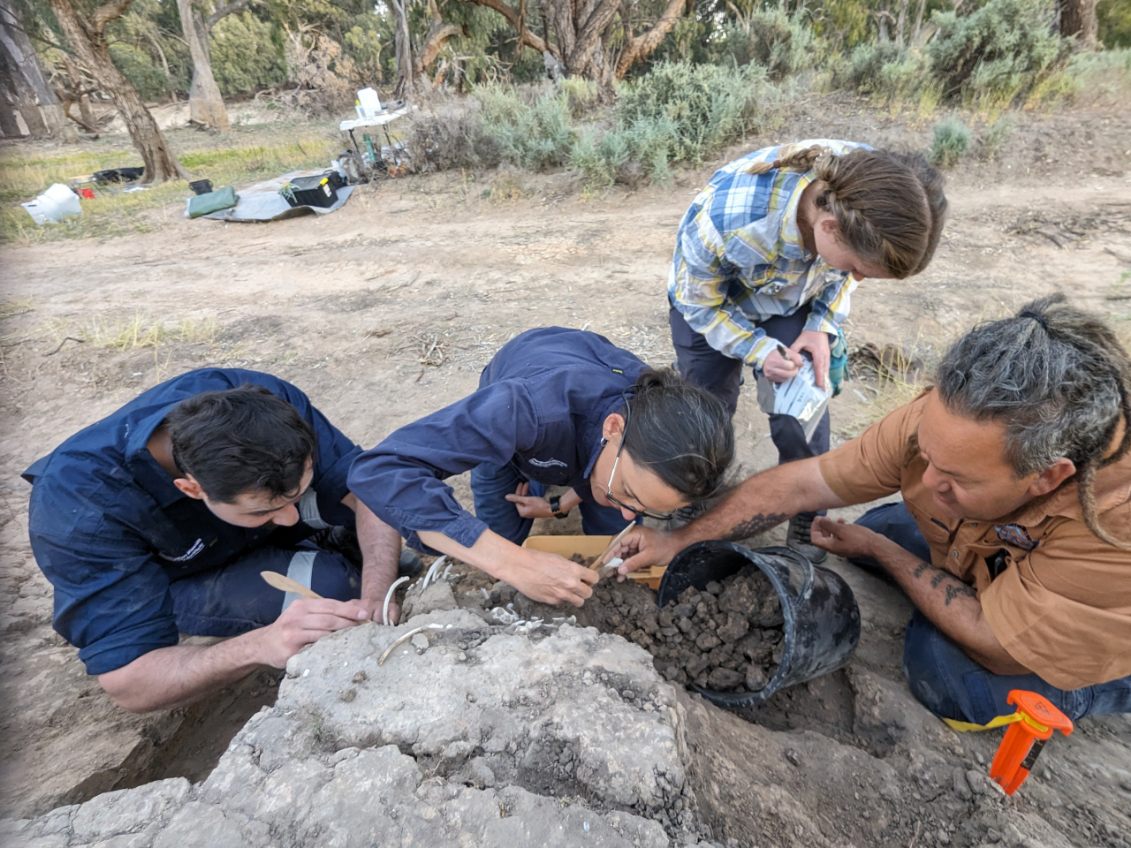
Way noted that similar care for human burials is documented in the region, but this is the first clear case for a non-human animal in Australia. See what this means for archaeology and Indigenous heritage.
What This Means: Redefining Human-Animal Bonds
The discovery forces a reconsideration of how ancient societies viewed dingoes — not merely as wild pests or semi-domesticated animals, but as integral members of the community worthy of perpetual memorialization.
'This burial shows that dingoes were not just tolerated; they were deeply loved,' Way said. The evidence suggests a degree of emotional attachment rarely visible in the archaeological record.
For the Barkindji people, the finding validates their ancestral knowledge and strengthens the connection to their land and heritage. The grave also provides a unique glimpse into the spiritual world of pre-colonial Australians, where animals could hold human-like status.
The study, published in the journal Antiquity, calls for greater inclusion of Indigenous perspectives in archaeology. Way emphasized that the collaboration with Elder Bates was essential to correctly interpreting the find.
As researchers continue to analyze the site, they hope to learn whether such practices were widespread or isolated. The dingo's story, preserved for a millennium, now speaks to modern audiences about the enduring bonds between people and the animals they cherished.