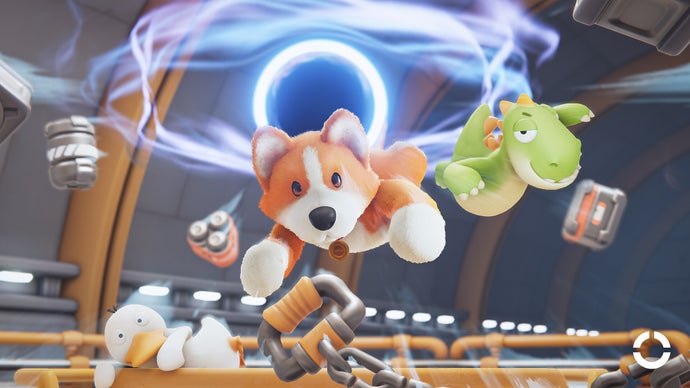
When Recreate Games launched an AI-themed video contest for their hit casual brawler Party Animals, they likely expected excitement—not outrage. The gaming community erupted with criticism, accusing the studio of devaluing human creativity. Within days, the studio issued a public apology, insisting they were "not trying to dismiss handmade work or disrespect creators." This incident offers more than just a PR misstep; it holds vital lessons for game developers, marketers, and players alike. Here are 10 crucial takeaways from the controversy.
1. The Power of Community Voice
The backlash against the AI contest was swift and loud. Players, modders, and artists united on social media platforms like X (formerly Twitter) and Reddit, flooding threads with criticism. The studio's rapid apology demonstrates that when a community feels strongly, it can force a corporate rethink. Ignoring such feedback risks alienating the very audience that sustains a game's success.
2. AI in Game Marketing: A Double-Edged Sword
Using generative AI for promotional content can backfire spectacularly. While AI reduces costs and speeds up production, it often clashes with the values of a community that prizes handcrafted artistry. The Party Animals controversy shows that marketing campaigns leveraging AI must be carefully positioned—or risk being seen as a shortcut at the expense of genuine creative talent.
3. Nuance in Official Apologies Matters
Recreate Games' statement emphasized that they did not intend to dismiss handmade work or disrespect creators. This wording was an attempt to clarify intent, but many critics found it insufficient. A good apology must acknowledge the specific harm caused, explain what went wrong, and outline concrete steps to avoid repetition. Vague disclaimers rarely satisfy a wounded community.
4. Community Sentiment vs. Corporate Innovation
Striking a balance between adopting new technology and respecting traditional practices is tricky. The studio likely saw the contest as an innovative engagement tool. Yet the community interpreted it as a vote of no confidence in human artists. This disconnect highlights the need for developers to test new ideas with their core audience before rolling them out publicly.
5. The Value of Handmade Work in Gaming
Gaming thrives on the passion of artists, animators, and designers who pour countless hours into their craft. Contest announcements that reward AI-generated videos can feel like a slap to those who respect labor-intensive creation. This controversy reaffirms that fans deeply value the human touch—often more than studios realize.
6. Transparency in AI Usage Is Non-Negotiable
When AI is involved in any official capacity, full transparency is essential. The Party Animals contest lacked clarity about how AI was used and why it was chosen. Gamers increasingly demand honesty: they want to know when AI tools are employed, especially if those tools could replace human contributors. Secrecy or vague language breeds mistrust.
7. The Risk of Tone-Deaf Initiatives
Launching an AI contest while the industry is still grappling with layoffs and concerns about job displacement showed poor timing. Many viewed the move as insensitive. Studios must gauge the broader industry climate before announcing campaigns that could be perceived as dismissive of human labor. Context matters as much as the action itself.
8. Impact on Developer Reputation
Even after an apology, the stain of a controversy can linger. Recreate Games, previously celebrated for Party Animals charm, now faces scrutiny over its ethical stance on AI. A single misstep can sour years of goodwill. Rebuilding trust requires consistent, demonstrable support for human creators.
9. What Players Actually Want
Players want to be part of a game's culture, not just consumers of its content. They crave genuine engagement—fan art, community events, and contests that celebrate creativity. An AI video contest felt impersonal and transactional. The lesson: always ask what your community values most, and design initiatives that align with those values.
10. The Future of AI in Fan Engagement
Despite the backlash, AI is not going away. The key is to use it as a tool to enhance human creativity, not replace it. Studios might invite AI-assisted submissions but require a human element, or offer separate categories for AI and handmade works. Clear guidelines and respect for tradition can turn AI into an ally rather than an opponent.
The Party Animals AI contest controversy serves as a wake-up call for the gaming industry. It underscores the delicate relationship between innovation and tradition, and the immense power of community voice. As studios experiment with new technologies, they must never forget the human heart that makes games truly special.