When you hear the triumphant brass of a Star Destroyer or the mysterious hum of an ancient temple in a video game, chances are you’re listening to the work of Gordy Haab. This American composer has become the go-to caretaker for some of the most beloved franchises in entertainment, stepping into the colossal footsteps of John Williams while adding his own distinct flavor. From Star Wars Jedi: Fallen Order to Indiana Jones and the Great Circle, Haab’s scores are more than just background noise—they’re living, breathing narratives. Here are ten essential facts about the maestro who proves that a great score is not heard, but felt.
1. The Man Behind the Music: From Humble Beginnings
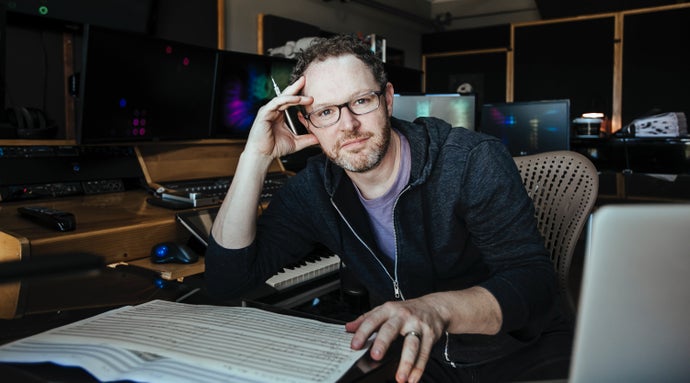
Gordy Haab didn’t wake up one day conducting the London Symphony Orchestra. His journey started in the world of independent games and short films, where he honed his craft by balancing orchestral traditions with interactive storytelling. Unlike many film composers who transition to games, Haab cut his teeth on the unique demands of adaptive scores—music that changes based on player actions. This foundation gave him the technical and artistic flexibility that would later define his career.
2. He Carried the Star Wars Torch in Jedi: Fallen Order
When Respawn Entertainment set out to create a new single-player Star Wars adventure, they needed a composer who could evoke the original trilogy without simply copying it. Haab delivered with a score that blends iconic themes—like the Force motif—with original material for Cal Kestis. The result is a soundtrack that feels both nostalgic and fresh, earning critical praise for seamlessly integrating Williams’ language into a video game framework. Haab’s ability to mimic Williams’ style while staying true to the game’s darker tones set a new standard.
3. He Deepened the Saga in Star Wars Jedi: Survivor
Building on his success, Haab returned for the sequel, Survivor. Here, he expanded the emotional palette: where Fallen Order focused on discovery and escape, Survivor demanded themes of loss, endurance, and hidden hope. Haab introduced new leitmotifs for characters like Bode Akuna and the High Republic references, all while weaving them into the established Star Wars tapestry. The score’s dynamic range—from intimate guitar solos to full-bore orchestral battles—proved Haab could handle complex narrative arcs.
4. He Mastered Space Combat in Star Wars: Squadrons
Switching gears from grounded Jedi adventures to cockpit-based dogfights, Haab composed the music for Star Wars: Squadrons. This score required a different energy: pulse-pounding action during battles, but also the quiet tension of pilot briefings. Haab used a hybrid orchestral-electronic approach to simulate the adrenaline of space combat. His work here demonstrated versatility—proving he could step into any sub-genre of the Star Wars universe, from mystical journeys to military simulation.
5. His Latest Triumph: Indiana Jones and the Great Circle
Perhaps Haab’s most daunting challenge came in 2024 with Indiana Jones and the Great Circle. Taking on a franchise defined by John Williams’ iconic, swashbuckling sound is no small feat. Haab didn’t try to outdo the original; instead, he created a score that honors Indy’s character while exploring new musical territory. The game’s global settings—from Himalayan peaks to Egyptian tombs—allowed Haab to incorporate folk instruments and regional scales, all anchored by a new main theme that feels both adventurous and vulnerable. Critics have called it a masterclass in theme-based scoring.
6. He’s Often Called “Our Generation’s John Williams” – Here’s Why
That comparison isn’t just hype. Haab possesses a rare ability to internalize another composer’s musical vocabulary without sounding like a forgery. His work on Star Wars and Indiana Jones uses Williams’ signature techniques—like leitmotifs, large brass sections, and sweeping melodies—but filters them through his own creative lens. However, Haab is quick to deflect the title. In interviews, he emphasizes that his goal is never imitation but “being a caretaker” of a beloved sound world, making sure the music serves the story first.
7. The “Haab Seasoning” – What Makes His Sound Unique
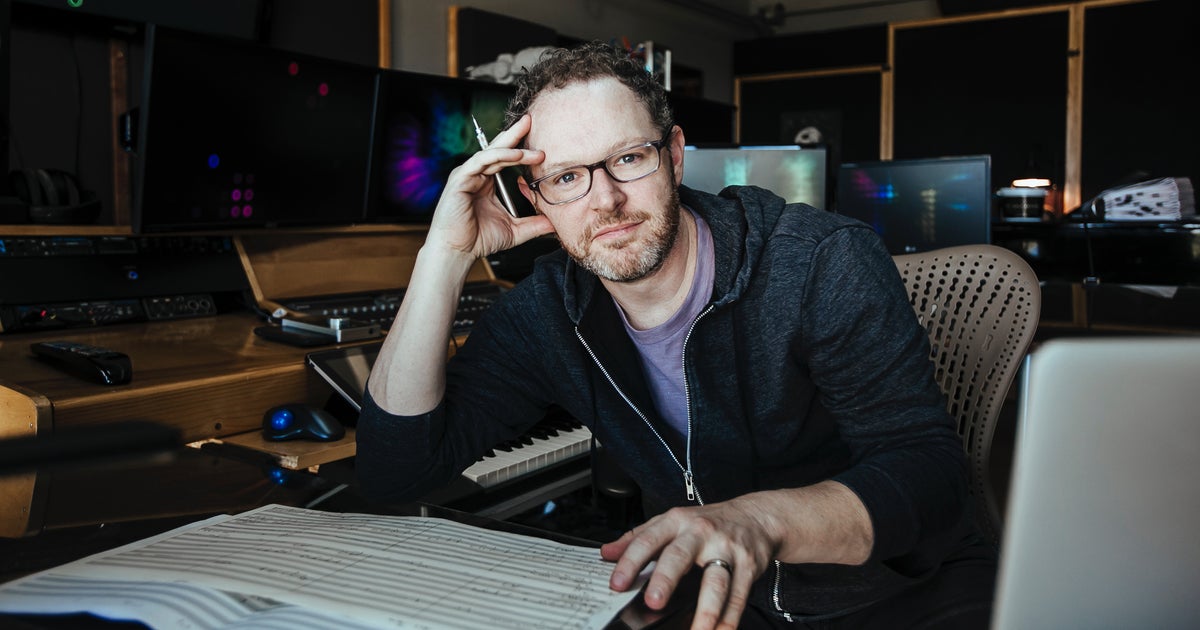
While he pays homage to tradition, Haab always leaves a personal mark. His distinct “seasoning” includes a preference for darker harmonies and unexpected rhythmic shifts—elements that add tension to even heroic moments. He also excels at interactive music design, where the score morphs based on player proximity to danger or story triggers. This technical skill, combined with a deep understanding of orchestration, allows Haab’s music to feel alive instead of just looped tracks. It’s the difference between hearing a soundtrack and experiencing it.
8. The Pun Is Intended: He’s a Force to Be Reckoned With
Yes, the word “force” carries double meaning. Haab’s scores are literally forces of nature—powerful, emotive, and often overwhelming in the best way. But there’s also the Force of Star Wars, which he has successfully channeled into multiple games. This pun is not just a clever journalist’s line; it reflects how seriously he takes the responsibility of representing the Force through music. His compositions for Force-sensitive scenes are particularly layered, using ethereal choirs and swelling strings to evoke the mystical energy that binds the galaxy.
9. He’s a Caretaker, Not Just a Composer
Haab often describes his role as a “caretaker” of iconic franchises. This mindset means he approaches each project with deep research and respect for its history. For Indiana Jones, he studied every Williams score, noting how the music shifted from Raiders to Crystal Skull. For Star Wars, he collaborated with Lucasfilm music archivists to understand unused themes. This archival work ensures continuity—players hear echoes of John Williams while discovering new material that fits seamlessly into the universe.
10. What’s Next? Haab’s Legacy Is Just Beginning
With major projects under his belt, Gordy Haab shows no signs of slowing down. His success has opened doors for game composers to be treated on par with film composers, and he continues to advocate for the craft. Whether tackling original IPs or returning to beloved franchises, Haab’s future work will likely push the boundaries of interactive music. One thing is certain: when a new generation thinks of epic video game scores, they’ll think of Gordy Haab—and that’s a legacy worth hearing.
Conclusion: Gordy Haab isn’t just mimicking nostalgia; he’s preserving and evolving it. By walking the tightrope between homage and innovation, he has become the definitive composer for some of the biggest interactive worlds. So the next time you power up Star Wars Jedi or swing without a whip in Indiana Jones, listen close. The music you’re hearing isn’t just a score—it’s the sound of a master caretaker at work, proving that a great score is indeed not heard, but deeply felt.