If you thought the original Call of the Sea was a masterclass in first-person storytelling, its sequel, Call of the Elder Gods, cranks everything up. Trading the tropical paradise for ancient ruins and pulp horror, it delivers a wild, journal-driven mystery that feels like Indiana Jones crossed with Lovecraft. But does it lose something along the way? Here are 10 essential things you need to know about this ambitious follow-up.
1. The Journal Is Still the Soul of the Game
For all its explosive action and sprawling environments, the beating heart of Call of the Elder Gods remains a battered leather-bound journal. Fans of the original will feel right at home flipping through its pages, piecing together clues, and jotting down notes. This isn't just a collectible—it's your primary tool for solving puzzles and understanding the narrative. The journal retains the charm of handwritten sketches and marginalia, making every discovery feel personal and rewarding. It's a brilliant way to keep the intimate storytelling of the first game alive, even when the stakes have grown to world-ending proportions.
2. Bigger, Bolder Locations Inspired by Ancient Civilizations
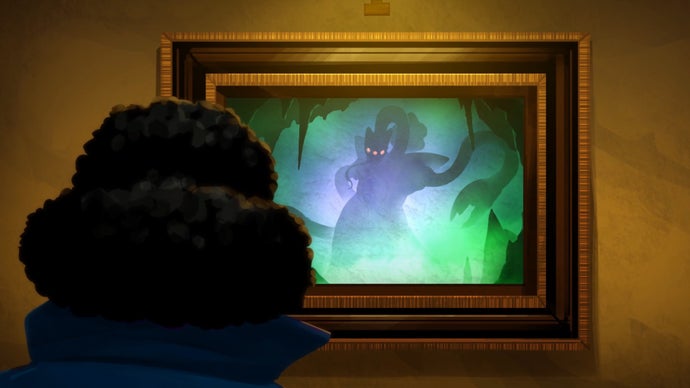
Gone are the serene islands; now you'll explore crumbling temples, forgotten cities, and treacherous tombs straight out of a pulp magazine. Each area is meticulously designed to evoke a sense of awe and dread, blending real-world archaeology with Lovecraftian mysticism. The scale is undeniably larger, with open spaces that encourage thorough exploration. Yet, the developers have managed to maintain a feeling of intimacy—you're rarely overwhelmed by the size. Instead, each new zone presents a fresh set of puzzles and environmental stories that deepen the lore.
3. Indiana Jones Meets H.P. Lovecraft: The Perfect Mash-Up
Call it Raiders of the Lost Ark meets The Shadow over Innsmouth. The game wears its pulp influences on its sleeve, from the fedora-inspired wardrobe of the protagonist to the bombastic set pieces involving traps, chases, and ancient artefacts. But beneath the surface lurks genuine cosmic horror—entities that defy logic, sanity-bending visions, and a creeping dread that builds with every chapter. It’s a delicate balance, and the sequel pulls it off with panache, ensuring the adventure never loses its sense of danger.
4. Puzzles That Reward Deduction, Not Frustration
The smart, deductive spirit that made Call of the Sea a standout returns intact. Puzzles are cleverly woven into the environment and often require you to cross-reference your journal notes, decode ancient scripts, or manipulate machinery. There’s no hand-holding—just logical breadcrumbs that make you feel like a brilliant archaeologist when you crack them. Harder puzzles may stymie you for a bit, but the solutions always feel earned, never arbitrary. If you enjoyed the original's mental challenges, you'll be delighted here.
5. A Lovecraftian Story That Leans Into the Madness
The narrative dives deep into cosmic horror, exploring themes of forbidden knowledge, sanity erosion, and the insignificance of humanity. You’ll uncover cult rituals, read forbidden texts, and witness events that blur the line between reality and nightmare. The story is more complex than its predecessor, with multiple factions and a central mystery that slowly unspools as you explore. The writing respects Lovecraft’s mythos while forging its own path, making it accessible to newcomers but deeply rewarding for fans.
6. First-Person Narrative Adventure at Its Finest
The game retains the intimate first-person perspective, placing you directly in the shoes of the protagonist. Every discovery, every terrifying encounter, feels immediate. The voice acting and cinematic cutscenes are top-notch, drawing you into a world where your actions have narrative weight. Unlike many adventure games, Call of the Elder Gods never breaks the immersion with clunky UI or arbitrary mechanics—you live the story.
7. Enhanced Graphics and Atmosphere
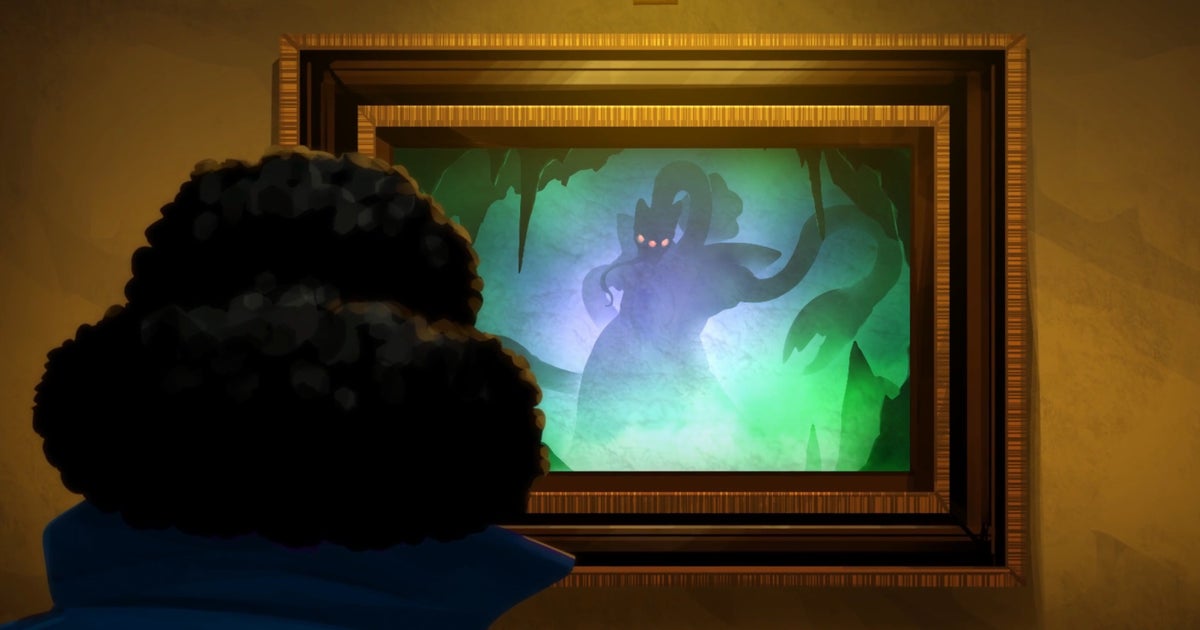
Powered by a new engine, the sequel boasts stunning visuals that heighten both the beauty and the horror. Light filters through ancient stone windows, shadows twist into unnatural shapes, and particle effects sell the supernatural presence. The sound design is equally impressive—echoing footsteps, whispering winds, and unsettling ambient noises keep you on edge. The atmospheric upgrade makes every location feel alive and menacing.
8. But Something Might Be Missing: The Personal Touch
While the sequel expands in nearly every direction, some fans may miss the intimate focus of the original. Call of the Sea was about one woman’s emotional journey; Call of the Elder Gods is a globe-hopping epic with higher stakes. The personal story can feel diluted among the ancient conspiracies and end-of-the-world scenarios. The journal helps, but the emotional core of the first game—the sense of a solitary, meaningful quest—isn't as pronounced here. It's a trade‑off worth noting.
9. A Satisfying Sequel That Stands Alone
Even if you haven’t played Call of the Sea, you can jump into this adventure without feeling lost. Background is provided organically, and the puzzles and story are self-contained. Veterans, however, will catch rich callbacks and shared lore that reward their loyalty. The game manages to be both a worthy follow‑up and an excellent entry point for newcomers.
10. Verdict: A Thrilling Love Letter to Pulp and Horror
Ultimately, Call of the Elder Gods delivers on its promise of a rip‑roaring adventure with a dark heart. It retains the clever deduction and journal‑driven gameplay of its predecessor while expanding into grander, more terrifying territory. Yes, it may sacrifice some intimacy for scale, but the trade‑off is a game that feels epic and personal in equal measure. If you loved Indiana Jones and Lovecraft, and you’re ready for a smart, atmospheric puzzle‑adventure, this is unmissable.
In summary, the game is bigger, bolder, and just as brain‑teasing as the original, even if it loses a sliver of its predecessor’s soul. Still, the journal remains your faithful companion—and that makes all the difference.