Breaking: arXiv Imposes Year-Long Ban for AI-Generated Submissions
In a decisive move to combat the rising tide of AI-generated slop in scientific literature, the preprint server arXiv has announced that any submission containing inappropriate AI-produced content will result in a one-year suspension from the platform. Additionally, the offending author will permanently require all future submissions to undergo peer review before arXiv will host them. The policy was revealed in a social media thread by Thomas Dietterich, an emeritus professor at Oregon State University and a key figure on arXiv's editorial advisory council and moderation team.
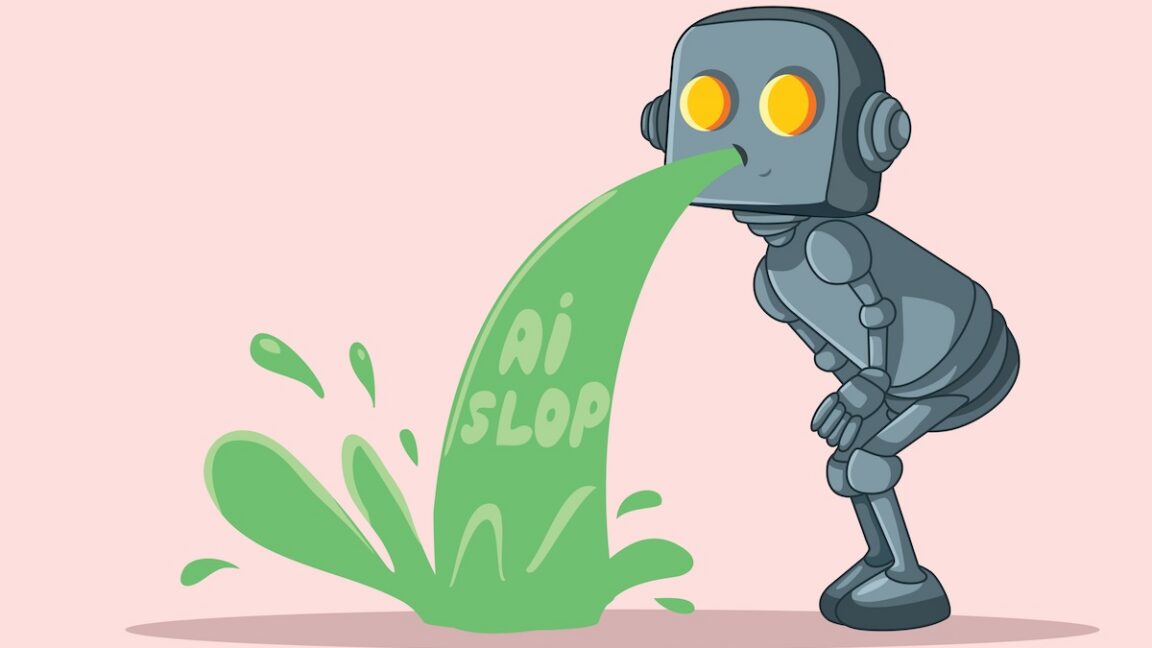
"We cannot allow AI-generated slop to undermine the trust that researchers place in our preprint server," Dietterich stated. "This action sends a clear message: scientific integrity must be upheld, even before formal peer review begins." The announcement marks one of the first major crackdowns by a preprint server on the misuse of generative AI in academic submissions.
Background
AI-generated content has infiltrated peer-reviewed literature, with fake citations, unedited prompt responses, and nonsensical diagrams slipping past editors and reviewers. These incidents have raised concerns about the lack of accountability for those responsible. Now, scientific fields are enforcing rules against AI-generated problems before journals even become involved.
arXiv, a vital repository for physics, mathematics, and computer science preprints, has long operated on a trust-based model. However, the proliferation of AI-generated submissions has forced a shift toward stricter moderation. Dietterich's announcement underscores the urgency: "The volume of problematic submissions has grown exponentially, and we must act now."
What This Means
For researchers, the new policy introduces severe consequences for misusing AI in preprints. A one-year ban effectively halts an author's ability to share work on one of the most widely used platforms in the scientific community. The permanent peer-review requirement adds a lasting barrier, potentially delaying dissemination of legitimate research from repeat offenders.
This move could set a precedent for other preprint servers and journals. "arXiv is a leader, and others will likely follow," said an anonymous editorial board member. "We are witnessing a cultural shift in how scientific communication handles AI-generated content." The policy also raises questions about detection: how will arXiv identify AI-generated slop? Tools like text pattern analysis and manual reviews will be key, but false positives remain a risk.
Ultimately, the ban reinforces the principle that authors bear full responsibility for their submissions. As Dietterich emphasized, "Technology is a tool, not a substitute for rigor. Our job is to ensure that the scientific record remains trustworthy."