In a major shift for autoimmune disease treatment, CAR T cell therapy—originally developed to fight blood cancers—is now being tested in over 200 clinical trials for conditions like multiple sclerosis, lupus, and Graves’ disease. The experimental approach aims to wipe out rogue immune cells and reset the body's defenses, offering hope to millions who have exhausted standard therapies.
‘I Was Losing My Freedom’ — A Patient’s Voice
For Jan Janisch-Hanzlik, 49, multiple sclerosis had turned her life upside down. She gave up her nursing job for a desk role, stopped carrying her grandchildren for fear of falling, and moved into a larger home to accommodate a wheelchair she dreaded needing full-time.
“Even the best medications weren’t helping,” she said. “I was watching my disease get worse every month.” When she learned about a CAR T trial at the University of Nebraska Medical Center, she called the clinic repeatedly until they enrolled her as the first patient.
How CAR T Works in Autoimmune Disease
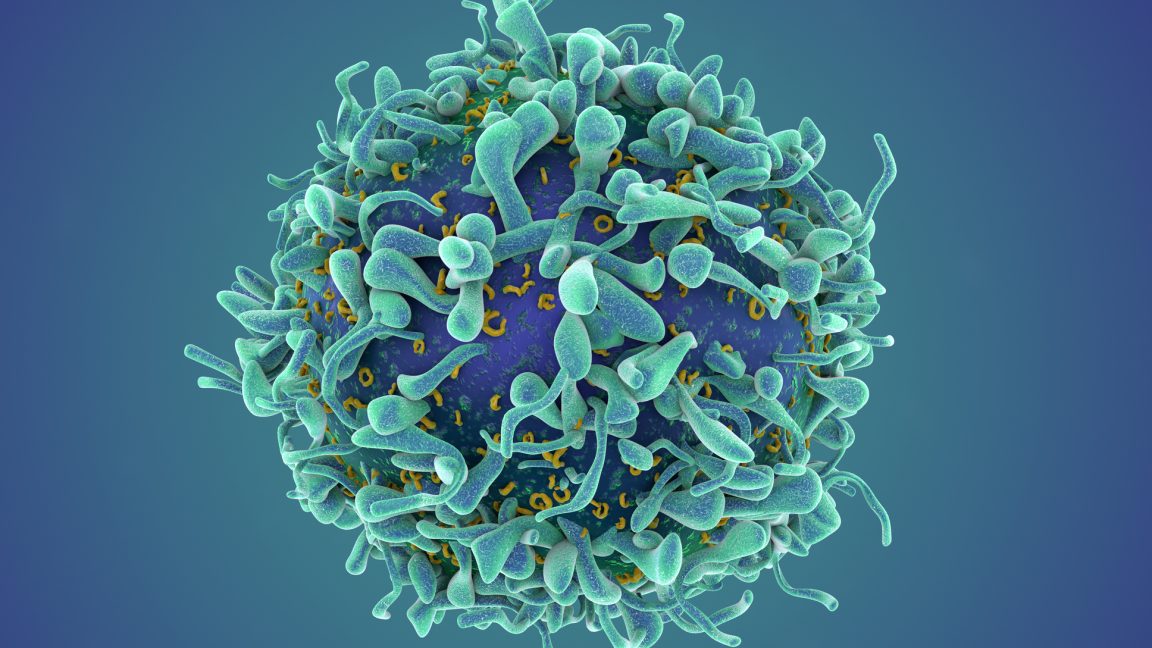
CAR T therapy involves reprogramming a patient’s own T cells to recognize and eliminate specific targets. In cancer, those targets are tumor cells. In autoimmune disease, the targets are immune cells that mistakenly attack the body’s own tissues.
“The idea is to wipe out the malfunctioning cells and give the immune system a fresh start,” explained Dr. James L. Riley, a CAR T researcher at the University of Pennsylvania, who was not involved in the Nebraska trial. “It’s like hitting a reset button on the immune system.”
Background: From Cancer Breakthrough to Autoimmune Frontier
CAR T was first approved in 2017 for certain blood cancers, where it has produced remarkable remissions. But side effects can be severe, including cytokine release syndrome and neurological toxicity. Now researchers are adapting the therapy for autoimmune diseases, where the goal is more selective destruction of disease-causing cells while sparing healthy ones.
More than 200 clinical trials are underway globally, testing CAR T in diseases ranging from lupus to vasculitis. Early results have been promising: in small studies, patients with severe lupus have achieved drug-free remission.
What This Means for Patients
If ongoing trials succeed, CAR T could become a one-time treatment for autoimmune diseases that currently require lifelong medication. “This could transform the landscape for millions of people who live with chronic autoimmune conditions,” said Dr. Sarah K. Johnson, a rheumatologist at Johns Hopkins University.
However, experts caution that the therapy remains experimental. Long-term safety and durability of response are still unknown. “We are optimistic but must proceed carefully,” said Dr. Riley. “The potential is enormous, but we need rigorous data.”
Next Steps
Researchers plan to expand trials to larger groups of patients and explore whether CAR T can be made safer and more affordable. For patients like Janisch-Hanzlik, the early results offer a lifeline. “I’m not cured yet, but for the first time in years, I feel like I have a future,” she said.
The Nebraska trial is still recruiting participants. Full details are available at the U.S. National Library of Medicine’s clinical trials database under identifier NCT04033302.