Colin Angle, the visionary behind the ubiquitous Roomba vacuum, spent over two decades transforming the home robotics landscape. Now, he's turning his attention to a new frontier—a plush, four-legged AI companion designed to be more than just a gadget. Unlike the utilitarian Roomba, this prototype aims to form genuine emotional bonds with its owners, following them around the home, learning their habits, and providing comfort. Here are 10 key things you need to know about this groundbreaking robot, from its inspiration to its potential impact on our daily lives.
1. The Mastermind Behind the Machine
Colin Angle co-founded iRobot in 1990 and spent 25 years spearheading the Roomba's rise to global dominance. With over 30 million units sold, the Roomba became the poster child for practical home robotics. Now, Angle is applying that same engineering prowess to a softer, more emotional creation. His new venture, yet unnamed, reflects a pivot from function to feeling—a shift that could redefine how we think about robots in our homes.
2. From Utility to Emotion: The Robot's Core Purpose
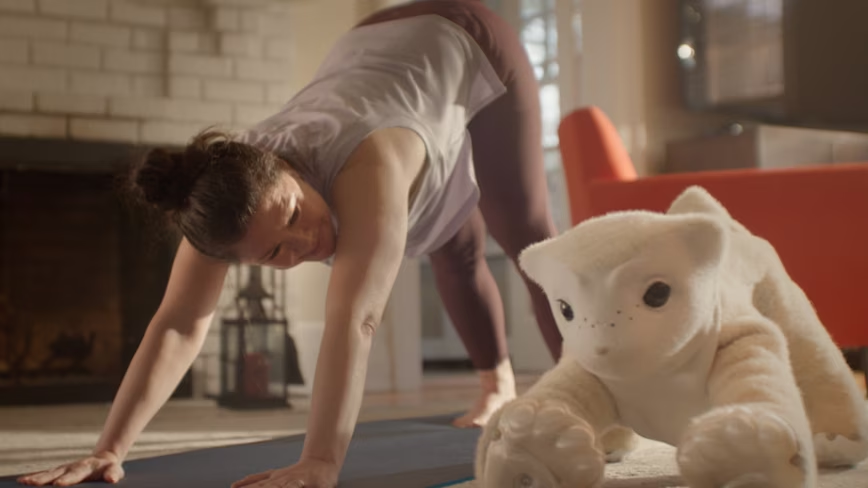
While the Roomba cleaned floors, this plush robot aims to clean hearts. It's designed to be a companion—not a pet replacement per se, but a plush, AI-driven friend. The robot uses sensors and cameras to follow you around, learn your schedule, and respond to your moods. Angle envisions it as a source of comfort for people who may not be able to care for a live pet, or who simply want a low-maintenance emotional support system.
3. Plush on the Outside, Tech on the Inside
The robot is covered in a soft, fabric-like material that makes it huggable and approachable. Beneath the plush exterior, it houses advanced sensors, a processor, and four motorized legs that allow for lifelike movement. It can sit, stand, walk, and even tilt its head in curiosity. The design intentionally avoids a mechanical look to foster emotional attachment between user and machine.
4. It Learns Your Daily Routine
Unlike standard programmable robots, this companion uses machine learning to adapt to your lifestyle. Over time, it recognizes when you typically wake up, eat meals, or relax, and aligns its behavior accordingly—perhaps nudging you for a walk when it's time for a break. This personalized interaction is key to building a sense of relationship rather than mere utility.
5. Following You Everywhere (Without Tripping)
One of its standout features is the ability to follow you from room to room, much like a dog or cat would. Using computer vision and obstacle avoidance algorithms (refined from Roomba technology), it navigates around furniture, stairs, and even small clutter. The robot maintains a respectful distance but stays close enough to feel present, creating a subtle but constant companion.
6. Designed to Make You Feel Something
Angle's core thesis is that the robot must evoke emotion. It does this through behaviors: when you're sad, it might snuggle against your leg; when you're happy, it might wag its stubby tail. The AI analyzes vocal tones and physical cues to respond appropriately. This emotional feedback loop is intended to strengthen the bond over time, turning the robot into a genuine source of comfort.

7. A Companion for Everyone, Including Pet Lovers
The robot isn't pitched as a replacement for dogs or cats, but as a supplement. It's ideal for people with allergies, mobility issues, or busy schedules who cannot commit to a live pet. However, Angle also sees it appealing to pet owners who want an additional “friend” that never needs to be walked or fed. The robot's lifelike behavior aims to fill a niche between a pet and a virtual assistant.
8. The Emotional Challenges of Robotics
Building a robot that feels like a friend is immensely challenging. Unlike Roombas, which are tolerated tools, this robot must be loved. Angle's team focused on reducing uncanny valley traits—things like jerky movements or unblinking eyes—that could creep people out. The plush cover and soft movements help, but achieving genuine emotional response requires sophisticated programming and thoughtful design.
9. Privacy and Data Considerations
Because the robot uses cameras and microphones to track you and your surroundings, privacy is a paramount concern. Angle assures that all data processing is done on-device, with no cloud uploads unless explicitly permitted. Users can also disable sensors via physical switches. These measures aim to prevent the kind of data misuse that has plagued smart home devices.
10. What the Future Holds for Plush Robotics
Angle's prototype is still in early stages—no release date or price has been announced. However, he envisions a future where plush AI companions become as common as smartphones. He believes they could assist in elderly care, pediatric emotional support, and even therapy for anxiety. If successful, this robot could mark the beginning of a new era in human-robot relationships, where machines don't just work for us but feel with us.
From the Roomba that cleaned our floors to a robot that might soon warm our hearts, Colin Angle is once again pushing the boundaries of what home robots can do. While still a prototype, this plush companion represents a bold step toward emotionally intelligent machines. Whether it will become as ubiquitous as its predecessor remains to be seen, but one thing is certain: the line between tool and friend is blurring. We may not be ready to replace our dogs, but adding a new kind of family member might just be on the horizon.