Introduction
Australia's residential energy storage sector has achieved a remarkable new milestone, with home battery installations now exceeding 400,000 units. This surge continues despite recent adjustments to rebate programs, underscoring the growing consumer appetite for energy independence and backup power. Notably, the cumulative capacity of these household batteries now rivals the storage added by large-scale grid batteries over the past year, signaling a transformative shift in the nation's energy landscape.
The 400,000 Milestone and What It Means
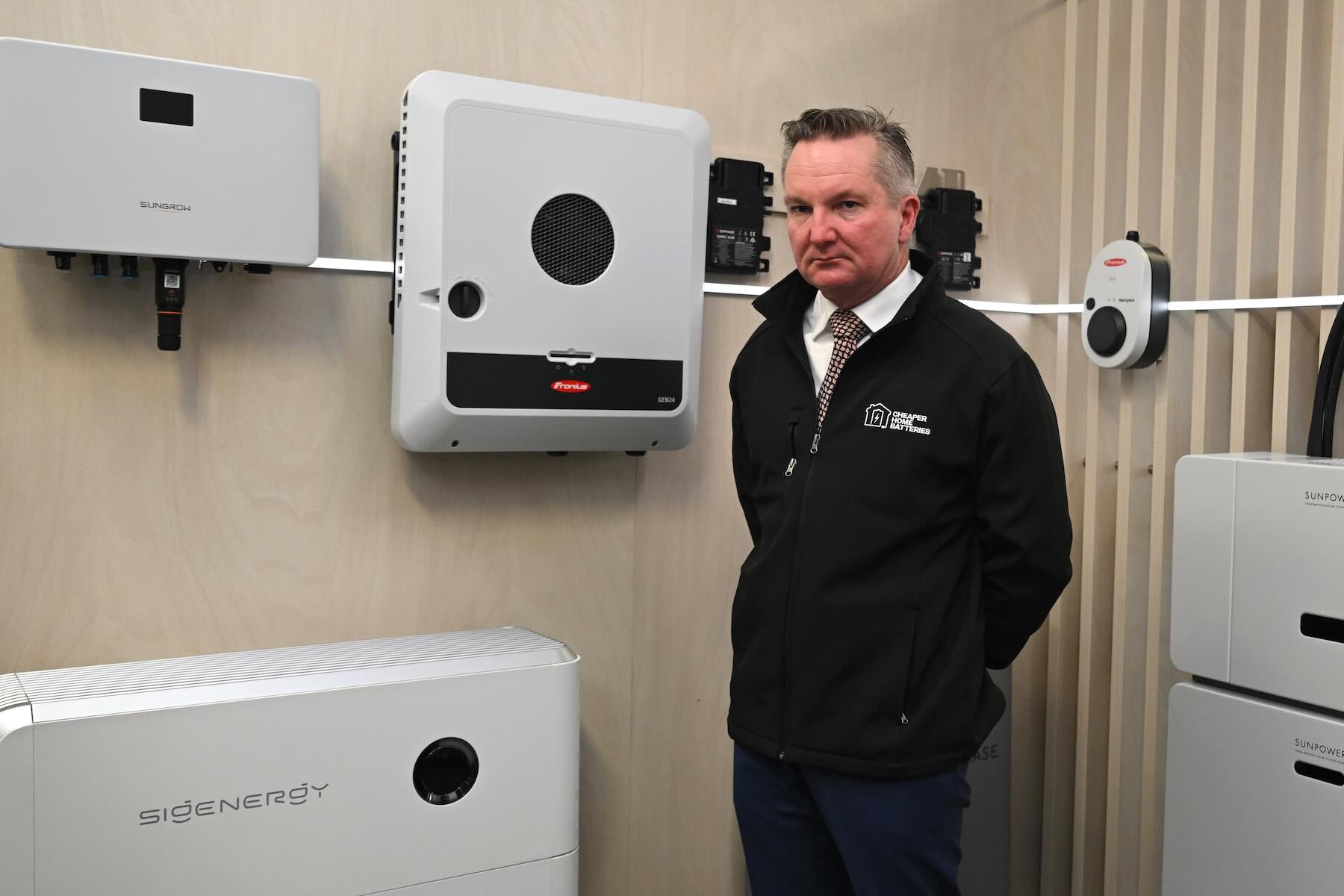
According to data cited by Federal Energy Minister Chris Bowen, the number of home battery systems installed across Australia has crossed the 400,000 mark. Bowen described the achievement as a "remarkable milestone," highlighting the rapid adoption of rooftop solar paired with storage. This growth is particularly impressive given that several states have recently modified their battery rebate schemes, which some feared could slow momentum.
The 400,000 figure represents a significant acceleration: just a few years ago, installations were a fraction of that number. The trend points to a maturing market where falling battery prices, rising electricity costs, and a cultural shift toward self-sufficiency are driving adoption. Households are increasingly viewing batteries not just as a luxury, but as a practical investment to store excess solar energy for evening use or during grid outages.
Factors Fueling the Surge Despite Rebate Changes
Navigating Rebate Adjustments
While rebate changes in states like New South Wales and Victoria initially caused some uncertainty, the market has adapted. Many homeowners are now opting for systems that qualify for smaller incentives or are proceeding without them, motivated by the long-term savings on electricity bills. Industry analysts note that the upfront cost of batteries has dropped roughly 30% over the last two years, helping to offset reduced subsidies.
Growing Concern Over Grid Reliability
Repeated heatwaves and storm-related blackouts have also spurred interest in home batteries. As climate change intensifies extreme weather events, households see batteries as a hedge against grid instability. Additionally, the rise of electric vehicles (EVs) is creating new demand for home energy management systems that can integrate car batteries, solar panels, and stationary storage.
Storage Capacity: Home Batteries Match Grid-Scale Additions
One of the most striking findings is that the total storage capacity of these 400,000 home batteries now approaches the capacity added by large-scale grid batteries during the same period. While exact figures vary, Bowen noted that the aggregated capacity from residential installations is roughly equivalent to what was brought online from utility-scale projects last year. This comparison highlights the decentralized nature of Australia's energy transition.
Grid-scale batteries like the Victorian Big Battery and the Hornsdale Power Reserve in South Australia provide essential services such as frequency control and peak shaving. However, home batteries collectively offer similar benefits when aggregated through virtual power plants (VPPs). Programs run by retailers like AGL and Origin Energy allow households to earn credits for sharing stored energy during peak times, effectively turning thousands of homes into a distributed power plant.
Government and Industry Perspectives
Minister Bowen praised the milestone as evidence that Australia is on track to meet its renewable energy targets. "Home batteries are playing a crucial role in our plan to reach 82% renewable electricity by 2030," he said in a statement. "Every new installation reduces pressure on the grid and helps lower emissions."
Industry bodies, such as the Clean Energy Council, echoed the sentiment, noting that the 400,000 figure is a conservative estimate and that actual installations may be higher because of unreported small-scale systems. The council added that continued policy support and streamlined connection processes would help maintain the momentum.
Future Outlook: What Lies Ahead
Looking forward, the home battery market shows no signs of slowing. Analysts project that the 500,000th installation could occur within the next 12 months, as battery pack costs continue to decline and new chemistries such as lithium iron phosphate (LFP) become more common. The growing popularity of all-electric homes—with heat pumps, induction cooktops, and EV chargers—will further boost the case for on-site storage.
However, challenges remain. Grid connection delays and inconsistent regulations across states can frustrate consumers. There is also a need for better consumer education about battery sizing and lifecycle costs. To address these issues, the Australian Energy Market Operator (AEMO) is working on standardizing inverter requirements and expediting approvals for VPP participation.
In conclusion, the 400,000 home battery milestone is a testament to Australia's rapid adoption of distributed energy resources. As technology improves and costs fall, home batteries are likely to become as commonplace as rooftop solar panels, reshaping the way Australians generate, store, and use electricity. The journey to 500,000 installations has already begun.