The Challenge of Congested Skies
As delivery drones become a common sight above our neighborhoods, the risk of airspace congestion grows. Just as cars yield to an ambulance on the road, emergency drones responding to fires, medical crises, or police pursuits will need a clear path. NASA is leading efforts to develop technology that ensures first responders can navigate crowded skies safely and efficiently.
Flight Exercise in North Texas
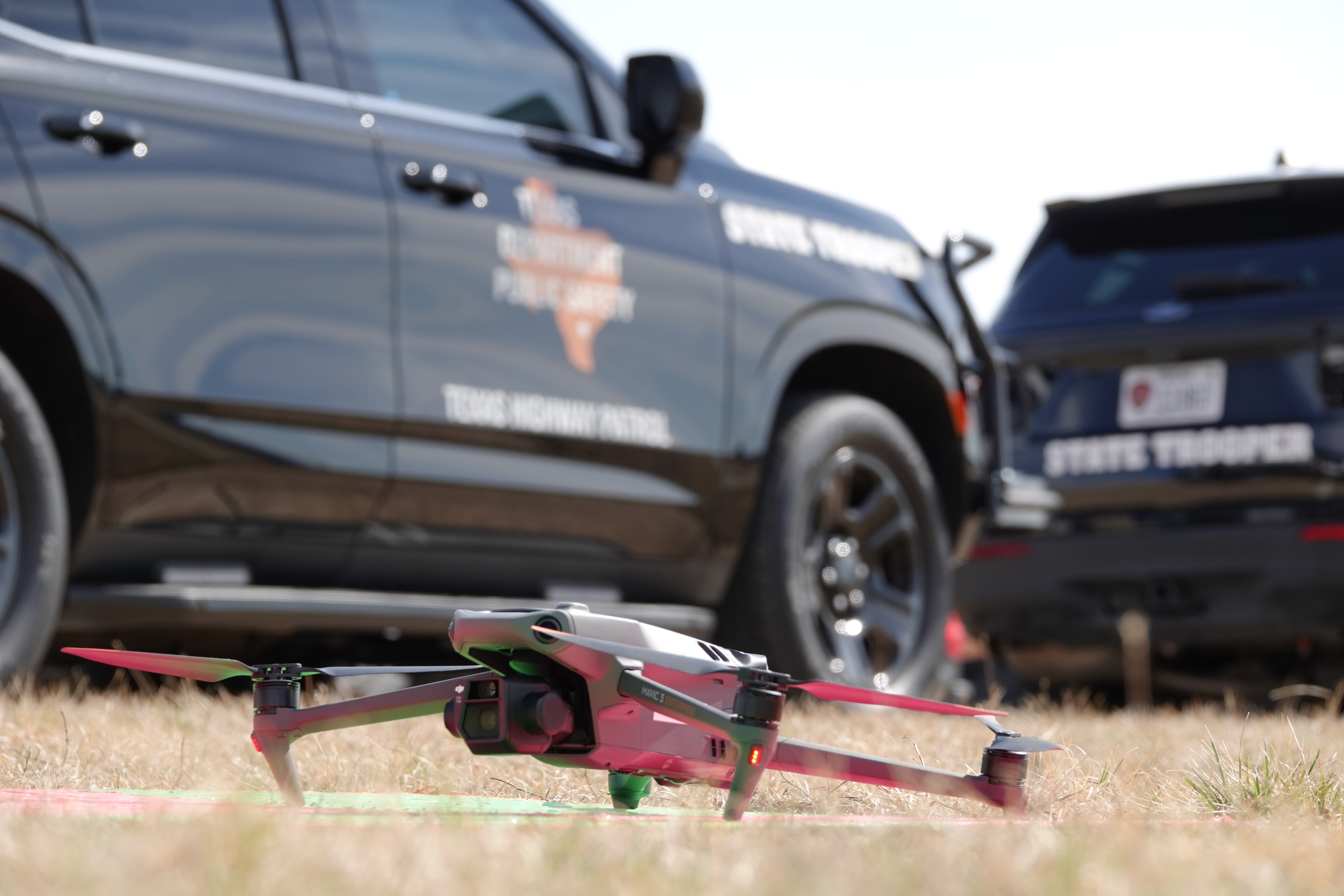
On February 18, researchers from NASA's Ames Research Center in Silicon Valley teamed up with the Texas Department of Public Safety, local public safety agencies, industry partners, and the Federal Aviation Administration (FAA) to test airspace prioritization tools. The exercise took place in North Texas, an FAA-designated region where commercial drone deliveries already operate daily. The goal was to understand how emergency drones could share airspace with delivery drones without conflict.
How Airspace Prioritization Works
During the simulation, when a police, fire, or rescue drone launched, other drones in the vicinity automatically moved aside. When multiple public safety organizations responded to simultaneous emergencies, their operators communicated to determine which drone needed priority access. This mirrors the way ground vehicles yield to emergency vehicles with lights and sirens.
“Just as ambulances use lights and sirens to signal vehicles to move out of the way, public safety operators require the ability to share airspace safely,” said Abhay Borade, research lead for NASA's Air Traffic Management and Safety project. “The key is to prioritize safety of flight operations, while balancing the efficient use of the airspace for all operators.”
Testing Unpredictable Emergency Maneuvers
Emergency drone missions differ from commercial deliveries because they rarely follow predictable routes. During a search, a pursuit, or when scanning a dangerous environment, drones may need to change direction suddenly. To simulate this, researchers had a drone follow an SUV driven erratically, mimicking a vehicle chase. Data collected during this test helped NASA understand how unpredictable movements affect nearby commercial drones and how traffic management systems can respond.
Building a Scalable Framework
The Texas exercise provided NASA with critical insights into the differences between commercial and public safety drone operations. The team is now refining air traffic systems and tools that automatically prioritize public safety operators as commercial drone usage increases. “By working closely with industry and federal partners, we’re helping build the data, tools, and traffic management frameworks needed to ensure the future of drone operations is safe, responsible, and scalable for everyone,” said Shivanjli, a NASA project lead.
Learn more about the challenges of airspace congestion and how airspace prioritization can transform emergency response. The next steps include further simulations and collaboration with the FAA to integrate these tools into national airspace systems.